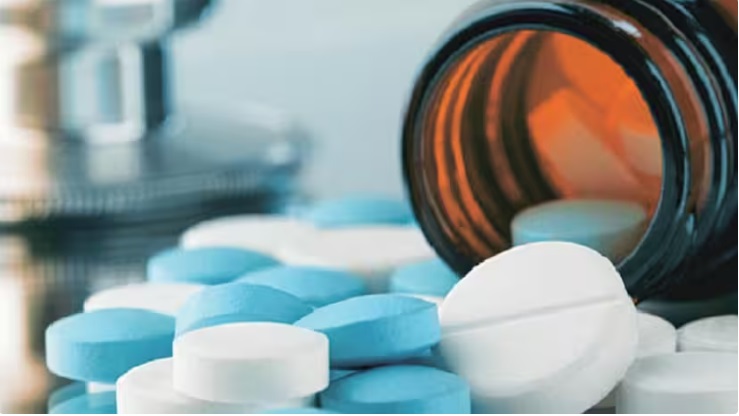

Medicine is the science and practice of diagnosing, treating and preventing diseases to ensure human wellbeing. Among its various branches, allopathic medicine commonly known as modern or western medicine focuses on evidence based treatments using drugs, surgery and advanced technology. By name and market type allopathic medicines are classified into two types; Generic medicine and branded medicine. Leaving branded medicine apart, this article explores the history, current status and future potential of generic medicine in Nepal.
What is Generic Medicine ?
Generic medicine refers to a drug that contains the same active ingredients, strength, dosage and therapeutic effect as its branded counterpart but is sold under its chemical name at a lower cost. A generic drug is a pharmaceutical drug that contains the same chemical substance as a proprietary drug that was originally protected by chemical patent. They are allowed for sale after the patents on the original drugs expire.
As the active chemical substance is the same the medical profile of genetics is equivalent in performance with branded medicine. A generic medicine has the same active pharmaceutical ingredients (API) as the original but it may differ in some characteristics such as manufacturing process, formulation, excipients, colour, taste and packaging. It is approved only after meeting strict quality, safety and efficacy standards, ensuring it works the same way as branded medicine.
Generic Medicine; The Nepalese Scenario
The history of generic medicine in Nepal is not so long. Before 1970’s Nepal relied heavily on imported branded medicines from India and abroad. There was no domestic pharmaceutical industry, so access to affordable medicines was limited especially in rural areas. Furthermore, generic drugs were not a recognized category in public health policy. Globally, the primary health care approach (Alma. Ata conference,1979) emphasized essential medicines and affordable access.
Nepal being a WHO member, gradually began to adopt the essential medicine concept which became the foundation for generic medicine promotion. The Department of Drug Administration(DDA) was established in 1979 AD formally regulating the registration,quality and distribution of medicine significantly generic medicine. In addition to that the National Drug Policy, 1995 is a milestone for Nepal that emphasized the promotion of generic prescribing, establishment of drug quality testing labrotries, encouragment of local pharmaceutical industries to produce affordable generic drug.
This policy gave a legal backbone for generic medicine production and its uses.At present context of Nepal, dozens of domestic pharmaceutical companies started producing generic medicines.By mid 2000’s, 60% of Nepal’s demand for essential medicines was being met by local generics though private doctors and pharmacists still favored branded drugs due to marketing and heavy incentives.
Global Acceptance and Positive Responses
According to U.S. Food and Drug Administration (FDA) requires generic medicine to be identical to or within an acceptance bioequivalent range of their brand name counterparts with respect to pharmacokinetic and pharmacodynamics properties. Generic drug manufacturers do not have to spend extra money for drug discovery and preclinical and clinical trials. All these factors essentially makes the generic medicine very affordable and reliable to use. That’s why the whole Europe and western countries are fond of prescribing generic drugs than that of branded medicine.
Based on the recent survey at European country where healthcare is their gist asset like France, Switzerland, Finland, Russia and Germany, among the medicine prescribed by doctors, 90% are of generic medicines. Such strong policies and revolution on healthcare ultimately push up the country’s economy and the social and mental wellbeing of their citizens.
Generic Medicine; Boon or Bane for Nepal ?
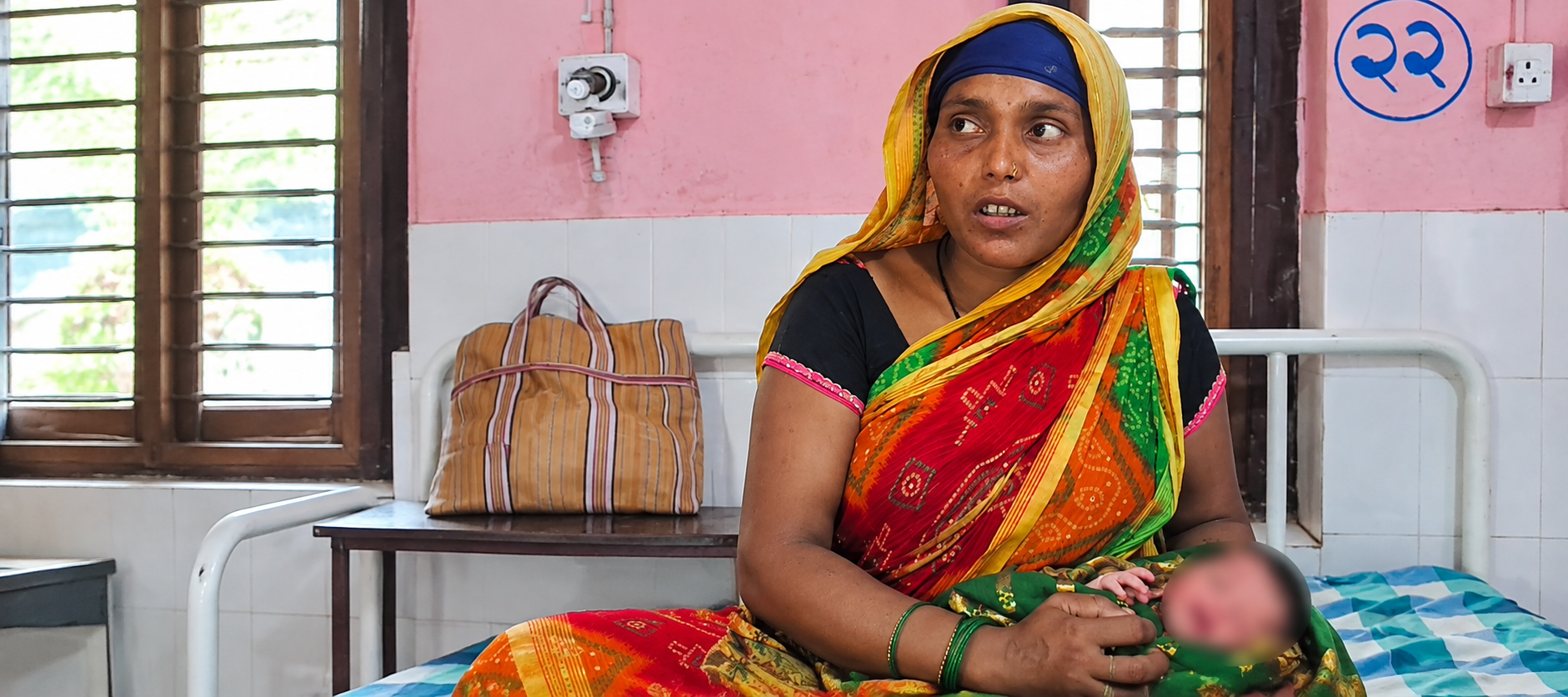
Generic medicine are available at a lower cost, 70-80% cheaper than branded medicine because they don’t include extra costs on marketing, advertising or brand promotion hence they provide an opportunity for savings in drug expenditure in the country. In Nepal, where a large portion of the population has low income, generic drugs make healthcare more accessible and affordable. Many rural areas in Nepal struggle with access to costly branded medicines.
In such case generic medicines can be distributed more widely at a lower price improving health equity across regions. Additionally, Government hospitals and healthposts can treat more patients within the same budget if they rely on generic medicines.Hence it is the crucial factor for Nepal because it provides the same medical benefit as branded medicine but at a fraction of the cost, ensuring affordable,accessible and sustainable healthcare for all the citizens. Looking from the every corner, Generic medicine stands out to be boon for Nepal.
In a nutshell,Healthcare expenditure continues to rise in countries where healthcare is not a priority. Healthcare providers and policymakers need to keep drug price affordable.Generic medicine offer an important tool for reducing the overall health expenditure. It is a powerful tool to improve affordability and access to medicines in Nepal but realizing that potential requires a joined up approach strong regulation, testing, smarter procurement, clear pricing policy,clinician, public health education and support for manufacture to meet quality strandards.With these key factors along with coordinated reforms Nepal can make generic medicine a reliable, trusted backbone of its medicine supply.